




The final episode of HBO’s Euphoria attempted to deliver an emotional conclusion to Rue Bennett’s long and painful journey through addiction. Instead, the series finale became a conflicted mix of intimate tragedy and exaggerated action drama, undercutting many of the themes it spent years trying to establish.
The following contains spoilers for the series finale of Euphoria.
Rue’s Final Chapter Brings a Rare Moment of Restraint
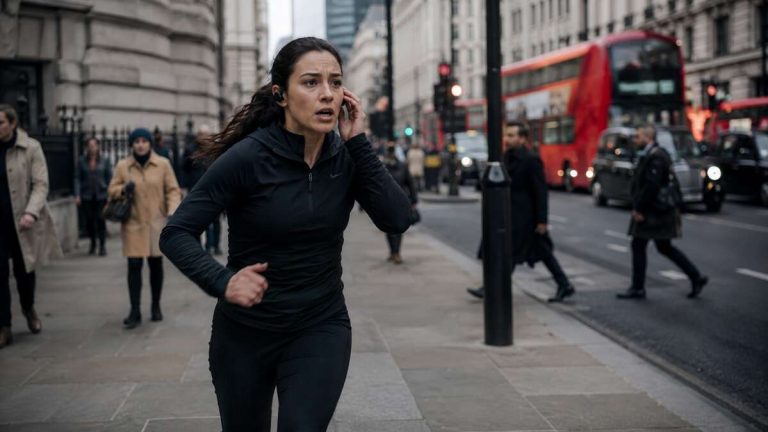
Throughout the show’s last season, Rue — played by Zendaya — repeatedly escaped violent and increasingly implausible situations. Once a struggling teenager battling substance abuse, Rue evolved into a figure caught in a chaotic underworld involving drug trafficking, strip clubs, gunfire, and criminal networks.
At various points, she survives being buried alive up to her neck, dragged behind a horse along a dirt road, and caught in multiple shootouts. The season leaned heavily into stylized violence and cinematic spectacle, often resembling a neo-Western thriller more than a grounded drama about addiction.
Yet Rue’s actual death, which arrives midway through the finale that aired Sunday night, unfolds with surprising quietness.
After enduring a long day of betrayals and physical injuries — including a deep wound to her palm — Rue unknowingly overdoses on fentanyl-laced painkillers. The sequence avoids the frantic pacing that defined much of the season. Instead, it slows down and focuses on Rue’s inner world.
As she slips into unconsciousness, Rue dreams of walking through her childhood home. She sees her mother and reaches toward her before being embraced. The scene blurs memory, fantasy, and reality in a way that recalls the emotional intimacy that once made Euphoria compelling. Rue smiles faintly even as she struggles to breathe, eventually drifting into death.
For a brief moment, the show abandons its obsession with spectacle and allows emotion to carry the narrative.
The Series Finale Undermines Its Own Message
That restraint, however, does not last long enough to save the broader finale.
The episode attempts to address the devastating realities of fentanyl addiction — an issue that continues to affect communities across the United States — while simultaneously embracing exaggerated action tropes involving morality, revenge, and survival. Those competing ambitions leave the conclusion feeling unfocused.
In recent years, fentanyl-related overdose deaths have become a major public health crisis in America, giving Rue’s storyline the potential to resonate deeply with viewers. The finale occasionally acknowledges addiction as a misunderstood and chronic disease rather than a personal failure. Rue’s death itself reflects the unpredictable and often invisible dangers associated with synthetic opioids.
But the surrounding narrative repeatedly weakens that message.
Style Overtakes Substance in Euphoria’s Ending
One of Euphoria’s defining traits has always been its highly stylized presentation. The HBO drama built a reputation for elaborate visuals, dreamlike cinematography, and emotionally heightened storytelling. Earlier seasons balanced that style with intimate character work and realistic depictions of teenage anxiety, identity, and addiction.
The finale, however, pushes those instincts too far.
Rather than grounding Rue’s story in emotional realism, the episode repeatedly diverts into action-heavy sequences that feel disconnected from the emotional core of the series. Shootouts, criminal betrayals, and Western-inspired imagery dominate large portions of the runtime, making it difficult for the audience to fully process the significance of Rue’s decline.
The contrast becomes especially jarring because Rue’s overdose scene demonstrates how effective the series can be when it embraces simplicity.
Zendaya’s performance remains one of the show’s strongest elements. Even amid uneven writing, she conveys exhaustion, fear, and fleeting moments of peace with remarkable control. Her final scene works largely because it strips away the chaos surrounding her and focuses entirely on vulnerability.
A Finale That Feels Torn Between Two Shows
By the end of its run, Euphoria appears uncertain about what kind of series it ultimately wanted to be.
At its best, the show functioned as a character-driven examination of addiction, trauma, and adolescence in modern America. At its worst, it relied on sensationalism that transformed deeply personal struggles into stylized entertainment.
The finale tries to combine both approaches but never fully reconciles them. It presents Rue’s death as tragic and meaningful while surrounding it with storytelling choices that feel increasingly detached from reality.
That contradiction leaves the ending emotionally muddled. The series wanted to offer a poignant reflection on addiction and loss, but its fixation on excess repeatedly distracted from its most powerful ideas.
In the end, Euphoria delivered flashes of emotional honesty in its final hour. Unfortunately, those moments were buried beneath a finale too determined to overwhelm rather than simply tell the truth.

Ambrose Sherman writes for Hardwood Paroxysm, covering news, politics, business, technology, sport, entertainment, and lifestyle. He focuses on clear reporting, current affairs, and stories that matter to readers, providing reliable information in an accessible and engaging way.