



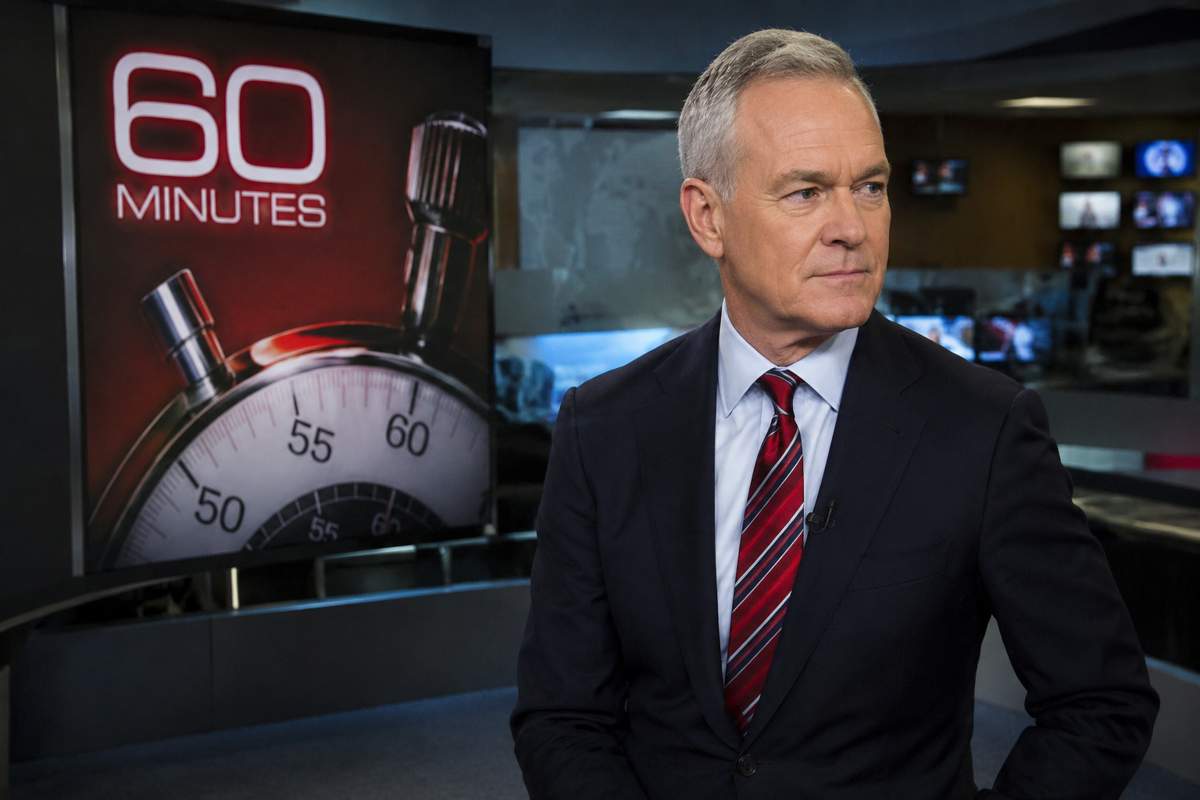
Veteran television journalist Bill Owens publicly defended longtime 60 Minutes correspondent Scott Pelley this week, while sharply criticizing CBS News leadership over the recent removal of senior staff members and correspondents at the iconic news program.
Owens, the former executive producer of 60 Minutes, spoke at a New York Press Club event shortly after Pelley drew national attention for condemning internal changes and dismissals at the network. The remarks added to growing scrutiny surrounding CBS News leadership during a period of corporate restructuring and editorial tension.
Bill Owens Praises Scott Pelley’s Response
Speaking after accepting the New York Press Club’s Gabe Pressman Truth to Power Award, Owens praised Pelley for publicly challenging recent decisions made within CBS News.
“Scott Pelley can smell fraud a mile away,” Owens told attendees.
Owens said he was proud of Pelley for taking a public stand against the changes affecting the long-running newsmagazine.
“He stood up the way that I did a year ago and I couldn’t be prouder of him, and I know all the people at 60 Minutes couldn’t be prouder of him,” Owens said.
Pelley’s comments earlier in the day reignited debate over the future direction of CBS News and the independence of one of American television’s most respected investigative journalism programs.
Editorial Independence Concerns at CBS News
Owens resigned from his role as executive producer of 60 Minutes in April 2025, citing concerns that he could no longer guarantee the program’s editorial independence.
During his speech, Owens described what he called an “internal spy ring” established by corporate leadership inside the CBS News division. He said the oversight intensified while 60 Minutes covered the opening months of President Donald Trump’s second administration, as well as the ongoing conflict involving Israel and Gaza.
The controversy unfolded during a critical period for Paramount Global, CBS News’ parent company. At the time, Paramount chair Shari Redstone was seeking approval from the Trump administration for Paramount’s proposed merger with Skydance Media.
Trump had previously filed a lawsuit against CBS, alleging deceptive editing practices involving a 60 Minutes interview with former Vice President Kamala Harris. Although critics questioned the legal merits of the lawsuit, Paramount ultimately agreed to a $16 million settlement rather than continue the legal battle.
Federal regulators later approved the Skydance transaction through the Federal Communications Commission.
Top ‘60 Minutes’ Staffers Removed
Following Owens’ departure, veteran producer Tanya Simon Owens took over leadership of 60 Minutes. Despite the program continuing to lead television news ratings, she was removed from the role Thursday.
CBS News also dismissed correspondents Sharyn Alfonsi and Cecilia Vega, along with executive editor Draggan Mihailovich.
Owens criticized the decisions, arguing that network executives lacked an understanding of the newsroom culture and mission behind 60 Minutes.
“They were fired by people who don’t even know what we do, who don’t actually care,” Owens said.
He also took aim at the appointment of a new executive producer, whom he described as a technology columnist with no prior television news experience.
According to Owens, the incoming executive told staff members there needed to be greater “fairness” in story selection, editing, and broadcast decisions.
Owens responded with visible skepticism during his remarks, pausing before adding sarcastically, “Right.”
Concerns Over International Coverage
Owens also pointed to recent decisions affecting CBS News’ international reporting operations.
He referenced the removal of London bureau chief Claire Day and described a situation in which a CBS News team had secured visas to report from Iran, only for the assignment to be canceled by network leadership in New York.
According to Owens, executives believed sending journalists into Iran during heightened geopolitical tensions would create a “bad look.”
“It is mind blowing to think CBS News wouldn’t go to the place where war was being prosecuted by our country, but that’s where we are,” Owens said.
The comments reflect broader industry concerns about whether major corporate media companies are becoming more cautious in politically sensitive reporting environments, particularly as media organizations face legal pressure, merger negotiations, and declining public trust.
Debate Over the Future of CBS News
Owens concluded his remarks by warning against ideological influence inside legacy news organizations.
“So it’s a pity because CBS News and 60 Minutes are institutions, not places where partisans and ideologues should be employed,” Owens said.
His comments appeared to reference the background of incoming leadership figures associated more with opinion journalism than traditional broadcast reporting.
The public dispute surrounding 60 Minutes arrives at a pivotal moment for American television news, as major networks confront financial pressures, corporate consolidation, and increasing political polarization. For many journalists and viewers alike, the controversy has raised questions about whether editorial independence can remain protected inside large media conglomerates.

Ambrose Sherman writes for Hardwood Paroxysm, covering news, politics, business, technology, sport, entertainment, and lifestyle. He focuses on clear reporting, current affairs, and stories that matter to readers, providing reliable information in an accessible and engaging way.