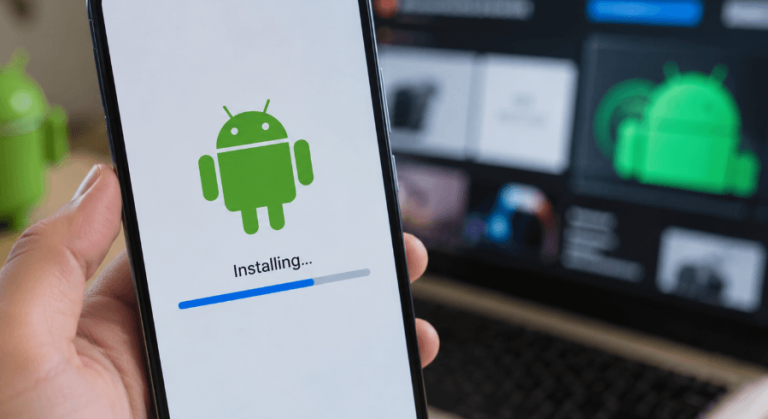




Amazon will stop supporting a range of older Kindle devices from 20 May 2026, in a move that will prevent some long-serving e-readers from accessing new books through the Kindle Store.
The decision affects Kindle and Kindle Fire models released in 2012 or earlier, with estimates suggesting that as many as two million devices worldwide could be impacted.
Older Kindle Models to Lose Access to New Content
Owners of affected devices will no longer be able to purchase, borrow or download new ebooks directly through the Kindle Store once support ends.
However, Amazon said users will still be able to read titles already downloaded to their devices. Their Kindle libraries and accounts will also remain accessible through Amazon’s mobile and desktop apps.
The company has offered discounts to some active users to help them upgrade to newer models.
Amazon has also warned that performing a factory reset on unsupported devices after the deadline could render them unusable for Kindle Store access.
Which Kindle Devices Are Affected?
The following Kindle e-readers will lose support:
- Kindle 1st Generation (2007)
- Kindle DX and DX Graphite (2009, 2010)
- Kindle Keyboard (2010)
- Kindle 4 (2011)
- Kindle Touch (2011)
- Kindle 5 (2012)
- Kindle Paperwhite 1st Generation (2012)
Affected Kindle Fire tablets include:
- Kindle Fire 1st Generation (2011)
- Kindle Fire 2nd Generation (2012)
- Kindle Fire HD 7 (2012)
- Kindle Fire HD 8.9 (2012)
Users Criticise Move Over Electronic Waste Concerns
The announcement has prompted criticism from some Kindle owners, who argue that devices still in working condition are being made obsolete unnecessarily.
Commenters online accused Amazon of creating avoidable waste, with some saying functional e-readers would effectively become “paperweights”.
Ugo Vallauri, co-founder of London-based electronics repair group The Restart Project, said ending support for working devices raised environmental concerns.
He told the BBC that manufacturers often justify such decisions by promoting newer products with improved performance, but said that was “hardly a good reason for soft-bricking millions of still-functioning devices”.
Vallauri added that although Amazon expects the change to affect around 3% of users, this could still mean roughly two million devices becoming obsolete, potentially generating more than 624 tonnes of electronic waste.
Analysts Say Decision Reflects Technical Limitations
Technology analysts said the move was unsurprising given the age of the hardware involved.
Paolo Pescatore, a technology industry analyst, said the decision was understandable from both security and support perspectives.
“These devices were built for a different era and are not equipped to run newer, more data-hungry services and features,” he told the BBC.
He added that ageing hardware presents increasing technical challenges for manufacturers seeking to maintain compatibility and security standards.
Amazon Says Devices Have Exceeded Typical Support Lifespan
Amazon defended the decision, noting that the affected devices have received support for at least 14 years, with some remaining functional for up to 18 years.
An Amazon spokesperson said: “Starting 20 May 2026, customers using Kindle and Kindle Fire devices released in 2012 and earlier will no longer be able to purchase, borrow, or download new content via the Kindle Store.
“These models have been supported for at least 14 years – some as long as 18 years – but technology has come a long way in that time, and these devices will no longer be supported moving forward.”
Conclusion
Amazon’s decision marks the end of support for some of its earliest Kindle devices, closing the chapter on a generation of e-readers that helped popularise digital books. While the company argues the move is necessary for technical and security reasons, critics say it highlights the growing tension between technological progress and the environmental cost of replacing still-functioning electronics.

Ambrose Sherman writes for Hardwood Paroxysm, covering news, politics, business, technology, sport, entertainment, and lifestyle. He focuses on clear reporting, current affairs, and stories that matter to readers, providing reliable information in an accessible and engaging way.