


For nearly three decades, Duane “Keffe D” Davis publicly discussed the night Tupac Shakur was fatally shot near the Las Vegas Strip. His interviews, recorded statements and 2019 memoir eventually became central evidence in the prosecution that resulted in his first-degree murder conviction.
A Las Vegas jury found Davis, 63, guilty on Aug. 31 after deliberating for less than three hours. He was the only person ever charged in connection with the 1996 killing of Shakur, one of the most influential artists in American hip-hop history.
Prosecutors argued that Davis organized the retaliatory attack, obtained the weapon and passed it to other occupants of the white Cadillac from which the shots were fired. Under Nevada law, a person can be held criminally responsible for murder by helping plan or carry out the crime, even if that person did not pull the trigger.
Interviews and Memoir Became Central Evidence
Davis spent years presenting his account of the shooting to investigators, filmmakers and media interviewers. He also described the case in his memoir, “Compton Street Legend,” published in 2019.
In several accounts, Davis placed himself inside the Cadillac that pulled alongside the vehicle carrying Shakur and Death Row Records co-founder Marion “Suge” Knight. He said he passed a gun to passengers in the back seat, although his public statements did not always identify the shooter.
Prosecutors acknowledged that some details changed over time but maintained that the central elements of Davis’ account remained consistent.
During closing arguments, Chief Deputy District Attorney Binu Palal displayed a copy of “Compton Street Legend” and played an interview in which Davis promoted the memoir as containing the “real truth.” Prosecutors argued that the book and Davis’ recorded interviews amounted to admissions of his role in the attack, despite the memoir having a co-writer.
Prosecutor Marc DiGiacomo also called attention to a scrapbook Davis kept containing articles about Shakur and the killing.
“This guy’s scrapbooking his murder, for God’s sake,” DiGiacomo told jurors.
Defense Called Davis’ Accounts “Fiction”
Davis’ attorneys faced the difficult task of persuading jurors not to believe their client’s own widely publicized statements.
Defense attorney Michael Sanft argued that Davis exaggerated or invented his accounts to attract publicity and generate income. He pointed to inconsistencies among Davis’ different versions of the shooting and characterized the stories as self-serving entertainment rather than reliable confessions.
Sanft told jurors that the evidence showed Davis was “telling you fiction.”
The defense also emphasized the absence of physical evidence directly connecting Davis to the shooting scene.
“They have nothing in this case that says that man was here in Las Vegas on Sept. 7, 1996,” Sanft said during closing arguments.
Jurors ultimately rejected the defense’s argument and accepted the prosecution’s position that Davis helped orchestrate the killing.
What Happened the Night Tupac Shakur Was Shot
Shakur was in Las Vegas on Sept. 7, 1996, to attend a boxing match at the MGM Grand. After the event, Shakur and members of his entourage became involved in a confrontation with Davis’ nephew, Orlando “Baby Lane” Anderson, inside the casino.
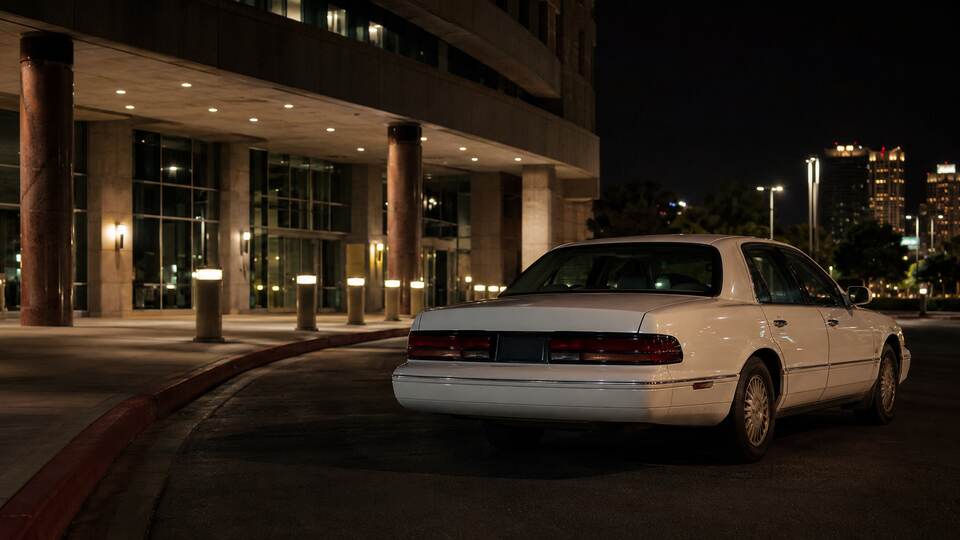
Later that night, Shakur was riding in a BMW driven by Knight when a white Cadillac pulled alongside them at a traffic light near the Las Vegas Strip. Gunfire erupted, striking Shakur multiple times and wounding Knight.
Shakur died from his injuries six days later at age 25.
Prosecutors argued that Davis sought retaliation after the casino confrontation. Palal described Davis as a “shot caller” within the South Side Compton Crips and said he “went hunting” for Shakur after his nephew was attacked.
Davis was not accused of firing the fatal shots. Instead, prosecutors said he provided the gun and helped organize the group responsible for the drive-by shooting.
Davis Faces Life in Prison
The verdict marked the first conviction in a case that remained one of the most closely followed unsolved killings in American music history for nearly 30 years.
Davis is scheduled to be sentenced Oct. 13 and faces life in prison without the possibility of parole. His conviction brings a significant measure of legal resolution to the 1996 killing, with the defendant’s own public accounts ultimately becoming some of the strongest evidence presented against him.

Ambrose Sherman writes for Hardwood Paroxysm, covering news, politics, business, technology, sport, entertainment, and lifestyle. He focuses on clear reporting, current affairs, and stories that matter to readers, providing reliable information in an accessible and engaging way.